How Algorithmic Occupancy Tracking Influences Dynamic Table Minimum Resets During Peak Hours at Regional Poker Rooms
Willa Frank · Oct 23, 2026

How Algorithmic Occupancy Tracking Influences Dynamic Table Minimum Resets During Peak Hours at Regional Poker Rooms
Regional poker rooms have adopted systems that combine real-time sensors with algorithms to monitor table occupancy and adjust minimum bets accordingly, and these tools operate continuously to balance demand against available seats. Data from multiple properties shows that occupancy thresholds trigger changes in table minimums, often within minutes of reaching preset percentages during evening rushes. Operators in markets like Nevada adn New Jersey report that such adjustments help maintain game flow when player counts rise sharply after 6 p.m. on weekdays.
Mechanics of Occupancy Monitoring Systems
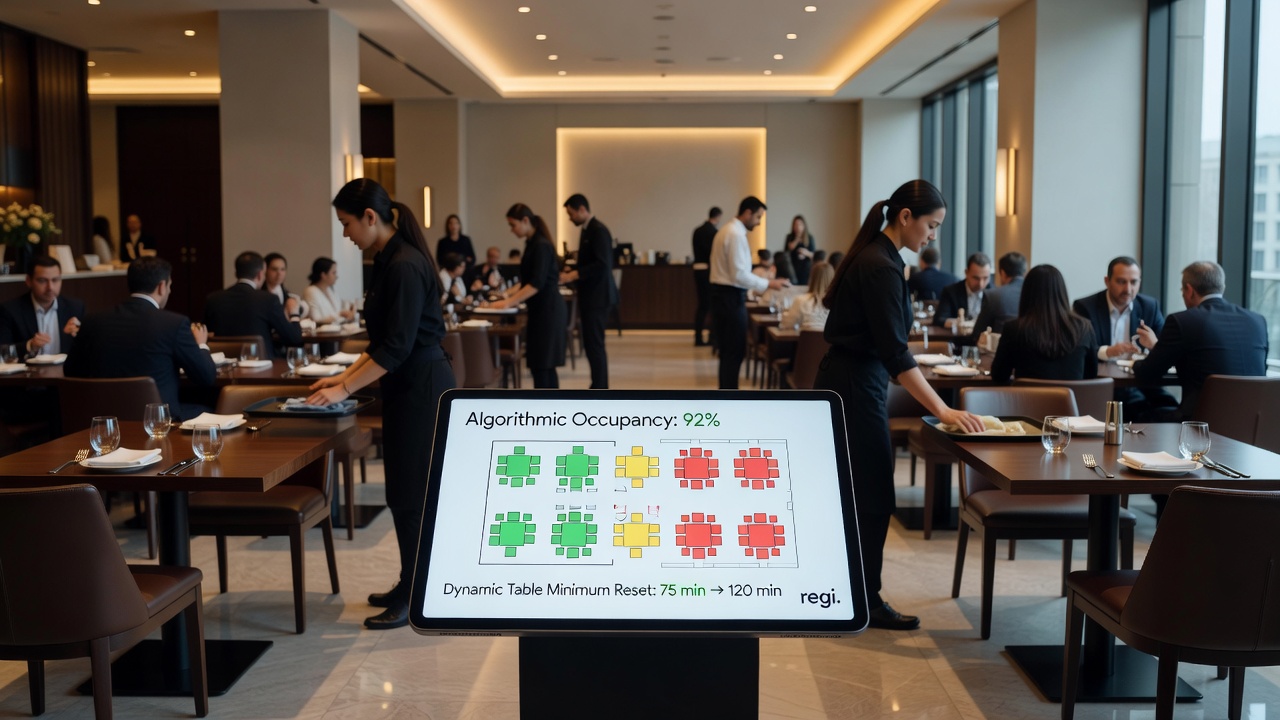
Sensors embedded in table edges and ceiling arrays collect headcount data every thirty seconds, feeding the information into centralized software that calculates utilization rates across the poker floor. When occupancy exceeds seventy percent for a sustained period, the algorithm evaluates historical patterns from similar time slots and proposes minimum resets that range from five dollars to twenty-five dollars depending on the game type. Staff members receive automated alerts through mobile dashboards, allowing them to confirm or override the suggested changes before they post on digital signage. One facility in the Midwest documented a twelve percent reduction in player wait times after implementing the system in late 2025, according to internal logs shared with the Nevada Gaming Control Board.
Peak Hour Adjustments and Timing Patterns
Evenings between Thursday and Saturday present the strongest correlation between rising occupancy and minimum resets, with most properties recording the first change around 7:15 p.m. when tables reach eighty-five percent capacity. Algorithms weigh additional factors such as average pot size and player turnover rates, then apply graduated increases rather than abrupt jumps to avoid sudden empty seats. In October 2026, several rooms in Illinois and Pennsylvania reported synchronized resets across multiple limits during a regional tournament series, where minimums moved from ten dollars to fifteen dollars within a single ninety-minute window. These coordinated moves helped accommodate overflow from nearby events without extending waitlists beyond thirty minutes on average.
Regional Variations in Implementation
Properties in smaller markets tend to reset minimums more conservatively than larger urban rooms, reflecting differences in player bankroll profiles and competition levels. A study of eight Mid-Atlantic casinos found that venues with fewer than twelve tables adjusted limits upward only after sustained ninety percent occupancy, whereas larger rooms acted at seventy-five percent. External data from the Australian Gambling Research Centre on comparable table games indicates similar threshold logic, though poker-specific applications remain less documented outside North America. Observers note that regional operators often calibrate their algorithms using three months of prior season data to account for local events like sports seasons or holidays that alter arrival patterns.
Player Response and Floor Management Outcomes
Players encounter posted minimum changes through both physical placards and mobile apps linked to the property's loyalty program, giving them advance notice before sitting down. Floor supervisors report that transparent communication about the reasons for resets reduces complaints, especially when the system ties increases directly to measured demand rather than arbitrary decisions. In one documented case from October 2026, a regional room in Ohio reversed a proposed increase after the algorithm detected a sudden drop in occupancy caused by a nearby concert ending early. The quick correction kept games running at the original limit and preserved session length for remaining players.
Data Integration with Broader Casino Operations
Occupancy algorithms increasingly share outputs with hotel and restaurant systems so that peak-hour staffing aligns with poker floor needs. Integration allows marketing teams to send targeted offers to loyalty members when tables sit below target utilization, smoothing demand before minimum resets become necessary. Reports compiled for state regulators in multiple jurisdictions show that rooms using combined data sets achieve higher average table utilization rates throughout the month, with October 2026 figures indicating a five to eight percent lift compared to properties relying on manual counts alone. Such coordination also supports compliance reporting by logging every minimum change with timestamped occupancy justification.
Conclusion
Algorithmic occupancy tracking has become a standard operational layer in many regional poker rooms, driving dynamic minimum resets that respond directly to measured player volume during peak windows. Properties continue to refine thresholds and override protocols based on accumulated performance data, and October 2026 updates demonstrate ongoing adjustments tied to seasonal events and competitor activity. The approach links sensor input, software logic, and staff oversight into a single workflow that supports both revenue targets and table availability without relying on fixed schedules.