How Artificial Intelligence Algorithms Optimize Table Game Seating Arrangements in Integrated Resort Casinos
Tina Schmitt · Sep 25, 2026
How Artificial Intelligence Algorithms Optimize Table Game Seating Arrangements in Integrated Resort Casinos
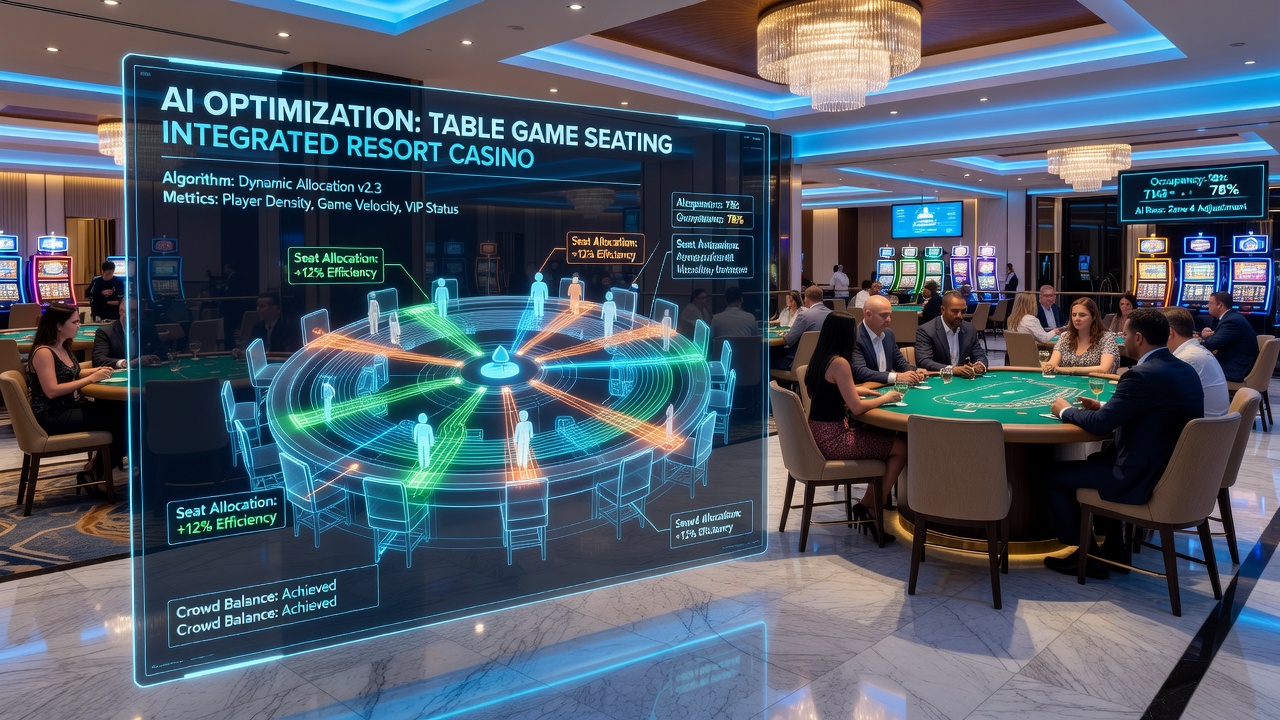
Integrated resort casinos manage hundreds of table games each day, and seating arrangements directly affect revenue, player flow, and operational efficiency. Artificial intelligence systems now handle seat assignments by processing live data streams that include player profiles, historical behavior, table occupancy rates, and external factors such as event schedules or weather conditions. These algorithms replace earlier manual methods that relied on floor supervisors making decisions based on limited visibility into overall demand patterns.
Data Inputs Driving Seating Decisions
Modern systems collect information from player loyalty cards, RFID chips embedded in chips, and camera feeds that track movement across the gaming floor. Machine learning models trained on years of transaction records identify which players generate higher hold percentages at specific games during certain hours. In September 2026 several properties in Nevada and Singapore began feeding these models with additional variables such as airline arrival data and hotel check-in volumes to anticipate surges in table demand before they occur.
One common approach involves reinforcement learning agents that simulate thousands of seating scenarios each minute. The models assign value scores to every available seat based on expected revenue per hour while also factoring in constraints such as responsible gaming limits and jurisdictional rules on table minimums. Observers note that these calculations run continuously, updating assignments whenever a player leaves or a new guest enters the queue.
Implementation Across Major Resorts
Large operators have integrated these platforms with existing player tracking software so that seat recommendations appear on staff tablets in real time. When a high-value guest approaches a blackjack pit, the system may route that player to a table where similar profiles have historically extended session length, while simultaneously shifting lower-volume players to adjacent tables to balance dealer workload. Data from the Nevada Gaming Control Board shows measurable increases in table utilization rates after such systems went live at several Strip properties.
Integrated resorts in Macau and Australia have adopted similar frameworks, though local regulations require different weighting of privacy considerations when processing facial recognition data. A 2025 report issued by the Casino Regulatory Authority of Singapore highlighted how AI-driven seating reduced average wait times for baccarat tables by 18 percent during peak evening hours without increasing overall staffing levels.
Technical Architecture and Model Types
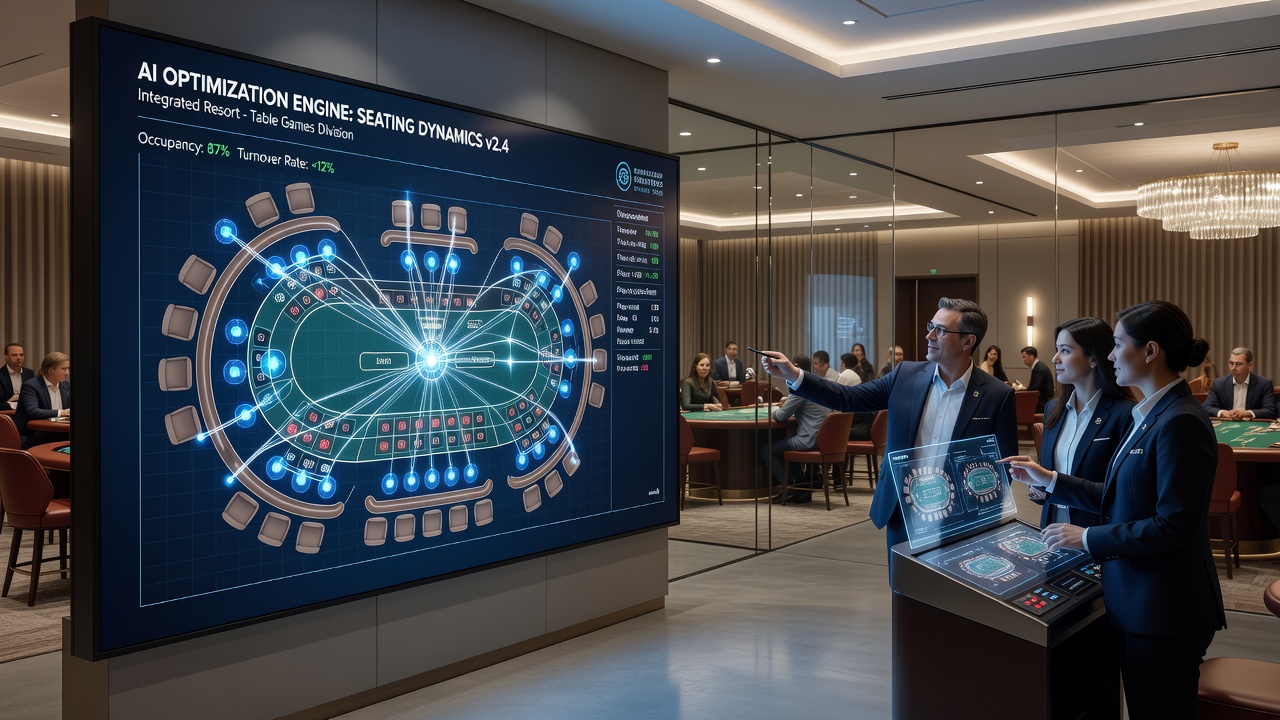
Most deployments combine graph neural networks with time-series forecasting. The graph component maps relationships between tables, dealers, and player segments, while forecasting modules predict arrivals up to four hours ahead. These predictions feed into an optimization layer that solves a constrained assignment problem every few seconds, ensuring compliance with table spread limits and jurisdictional reporting requirements. Technicians maintain separate validation sets to detect model drift caused by sudden changes in player demographics or game rule modifications.
Security protocols encrypt all player identifiers before they reach the modeling layer, and audit trails record every seating change for regulatory review. Several vendors now offer cloud-based versions that smaller regional casinos can access without building on-premise data centers, although bandwidth and latency requirements still favor on-site processing for larger integrated resorts.
Operational Outcomes and Regulatory Oversight
Properties using these tools report tighter control over table minimum adjustments during seasonal tourism shifts, because the algorithms surface which seat configurations maintain target hold percentages under varying occupancy levels. Training programs for pit bosses now emphasize interpreting model outputs rather than solely relying on visual assessment of line lengths. Regulatory bodies in multiple jurisdictions require operators to demonstrate that automated decisions do not inadvertently discriminate against protected player categories, prompting the inclusion of fairness constraints directly inside the optimization objective functions.
Conclusion
AI seating optimization has moved from pilot projects to standard operating procedure at many integrated resort casinos worldwide. The combination of real-time data ingestion, predictive modeling, and continuous reassignment produces measurable gains in table utilization and guest throughput while satisfying evolving regulatory expectations. As sensor networks and computing power continue to advance, the scope of variables these systems can process will expand further, yet the core objective remains unchanged: matching the right player to the right seat at the right moment to sustain both revenue and operational balance.